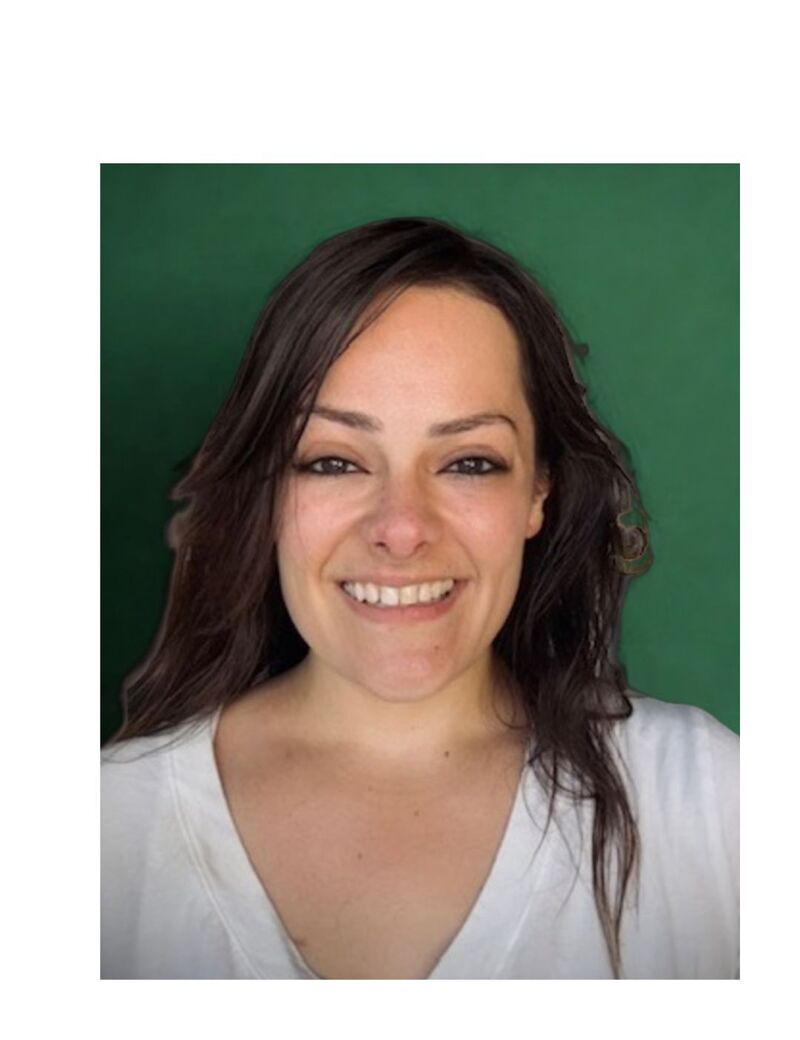
Meet Dr. Emily Moreno
Fellowship-trained. Whole-person focused.
I've worked in physical therapy since 2011, first as a physical therapist assistant and, since 2017, as a Doctor of Physical Therapy. I went on to complete a fellowship in orthopaedic manual physical therapy and earn the FAAOMPT credential (Fellow of the American Academy of Orthopaedic Manual Physical Therapists), a level of training held by fewer than 0.5% of physical therapists practicing in the U.S. For you, that means skilled hands-on care, precise movement analysis, and clinical reasoning focused on what's actually driving your pain.
I'm also training in lifestyle medicine and working toward my Diplomate credential with the American College of Lifestyle Medicine. Its six pillars (physical activity, nutrition, restorative sleep, stress management, social connection, and avoiding risky substances) shape how I practice. Your evaluation looks beyond the injury, your plan includes the habits that drive recovery, and the goal is for you to leave with the tools to stay well long after our last visit.
The Six Pillars of Lifestyle Medicine
These are the evidence-based domains I draw on alongside traditional PT care.
What is lifestyle medicine?
The American College of Lifestyle Medicine describes it as an evidence-based medical specialty that uses therapeutic lifestyle changes to treat the root causes of chronic conditions. In plain terms: the things you do every day, like how you move, eat, sleep, and handle stress, become part of your treatment instead of an afterthought.
What it looks like in your PT sessions
Your whole day, not just the injury
Your evaluation looks at sleep, stress, activity, and daily habits alongside how you move, because each one affects pain and healing.
Small, specific changes
We pick one or two realistic habits at a time, like a wind-down routine or a walking plan, and build from there.
Movement as medicine
Your plan goes beyond rehab exercises to the kind of activity your body needs to stay healthy for the long run.
Part of your care team
I coordinate with your doctor, and I'll refer you to a registered dietitian or another specialist when you need more than general guidance.
What it isn't
- Not a diet program, a detox, or a supplement plan.
- Not a replacement for your doctor, your medications, or medical care you need.
- Not all-or-nothing. Small, steady changes count.
I'm working toward my Diplomate credential (DipACLM) with the American College of Lifestyle Medicine. To learn more about the specialty, visit lifestylemedicine.org.
